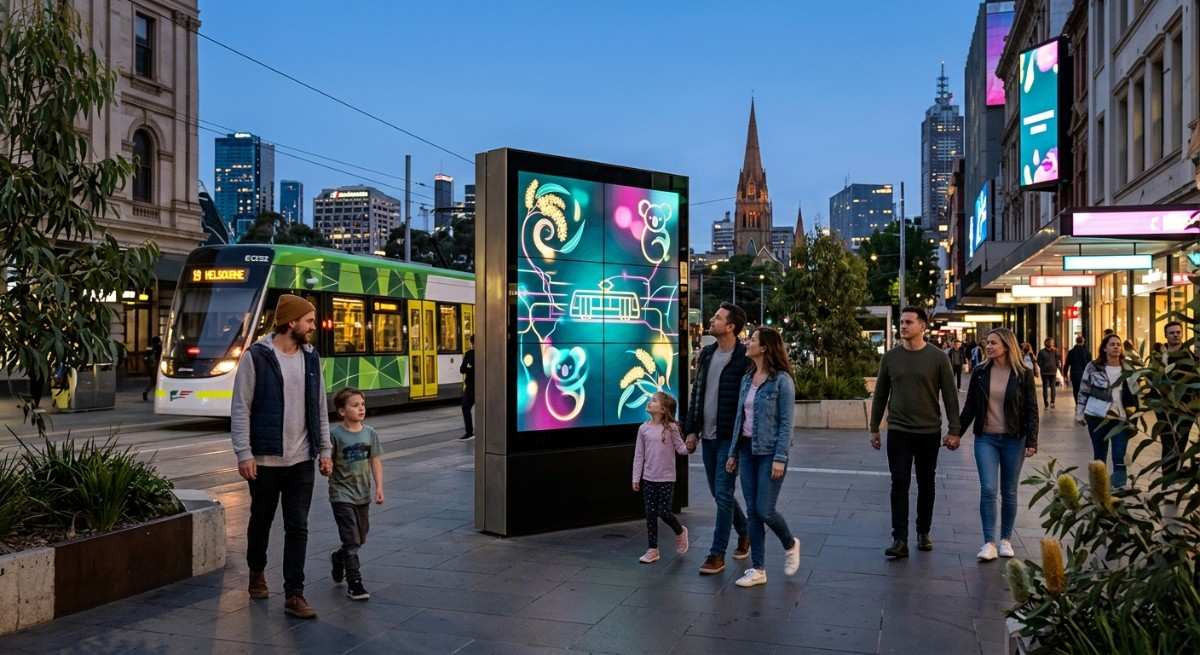
Traditional signage still has its place, but modern businesses often need something more flexible. Electronic signs allow you to update messages instantly, showcase dynamic content, and engage audiences in ways static signs simply cannot.
At Digital Harbor, we have seen firsthand how electronic signage can transform customer experiences, improve communication, and strengthen brand visibility.
Why Electronic Signs Melbourne Businesses Are Adopting
Customer expectations have changed.
People are surrounded by digital content every day. They naturally respond to movement, visuals, and real-time information. Static signs often struggle to compete for attention in busy environments.
Electronic signs Melbourne businesses use provide a more dynamic and adaptable communication tool. Instead of printing and replacing signage whenever information changes, businesses can update content instantly through a central management platform.
According to industry research from Digital Signage Federation, digital displays can significantly increase message recall compared to traditional printed signage. This makes electronic signs particularly valuable for businesses that depend on effective communication and customer engagement.
What Are Electronic Signs?
Electronic signs are digital display systems designed to communicate information, advertising, announcements, directions, and promotional content.
These displays can present:
- Images
- Videos
- Animations
- Real-time updates
- Promotional campaigns
- Informational content
- Interactive experiences
Unlike traditional signage, electronic displays can be updated remotely and adjusted to suit changing business needs.
Think of them as communication tools that evolve alongside your business.
Benefits of Electronic Signs Melbourne Organisations Experience
Electronic signage offers advantages that extend well beyond appearance.
Increased Visibility
Moving content naturally attracts attention.
People tend to notice dynamic displays more readily than static signage, particularly in busy environments where multiple messages compete for visibility.
Real-Time Content Updates
One of the biggest advantages of electronic signs is flexibility.
Businesses can update messages immediately without replacing physical materials.
I've noticed that organisations using digital signage often respond more effectively to changing circumstances because information can be updated quickly and consistently.
Improved Customer Engagement
Visual communication helps audiences absorb information more efficiently.
Digital content creates opportunities to educate, inform, and engage customers in a memorable way.
Consistent Brand Presentation
Electronic signs help maintain consistent branding across multiple locations and display environments.
This supports stronger brand recognition and a more professional customer experience.
Where Electronic Signs Are Commonly Used
Electronic signage is suitable for a wide variety of industries and environments.
Retail Stores
Retail businesses use electronic signs to:
- Promote products
- Highlight sales events
- Display advertising campaigns
- Showcase seasonal collections
Digital displays can help attract attention and encourage customer interaction.
Corporate Offices
Many organisations use electronic signage for:
- Internal communication
- Reception displays
- Visitor information
- Performance dashboards
These applications improve communication and workplace engagement.
Hospitality Venues
Restaurants, cafés, hotels, and entertainment venues use electronic signs to communicate with customers and enhance guest experiences.
Healthcare Facilities
Hospitals and clinics often rely on electronic signage for:
- Wayfinding
- Appointment information
- Health awareness messages
- Visitor guidance
Educational Institutions
Schools, universities, and training centres use electronic displays to share announcements, schedules, event information, and campus updates.
Indoor and Outdoor Electronic Signs
Different environments require different display solutions.
Indoor Electronic Signs
Indoor displays are commonly installed in:
- Reception areas
- Retail environments
- Waiting rooms
- Meeting spaces
- Corporate offices
These displays prioritise visual quality and audience engagement.
Outdoor Electronic Signs
Outdoor displays are designed to withstand environmental conditions while maintaining visibility.
Common applications include:
- Building signage
- Roadside displays
- Event venues
- Public information boards
Outdoor electronic signs help businesses communicate effectively beyond their physical premises.
How Electronic Signs Improve Communication
Communication plays a central role in customer experience.
When information is delivered clearly and consistently, customers feel more informed and confident.
Simplifying Information Delivery
Electronic signs can display important information in a clear and accessible format.
This reduces confusion and improves overall communication effectiveness.
Supporting Multiple Messages
Unlike traditional signs, digital displays can rotate through multiple messages automatically.
This allows businesses to maximise the value of available display space.
Delivering Targeted Content
Messages can be customised based on:
- Time of day
- Audience type
- Location
- Events
- Business priorities
This creates a more relevant experience for viewers.
Choosing the Right Electronic Signs Melbourne Solution
Every business has unique communication goals.
Selecting the right solution starts with understanding your specific requirements.
Identify Your Objectives
Ask yourself:
- What information needs to be displayed?
- Who is the target audience?
- Where will the displays be located?
- How frequently will content change?
Clear goals help guide better decisions.
Consider Display Placement
Placement can significantly influence effectiveness.
High-traffic locations often generate the strongest engagement.
Focus on Content Strategy
Technology alone does not guarantee success.
In my experience, businesses that invest in strong content planning often achieve better results than those focused solely on display hardware.
Prioritise Ease of Management
The ability to update content efficiently is one of the greatest advantages of electronic signage.
Choose solutions that support straightforward content management.
Common Mistakes Businesses Should Avoid
Even excellent display technology can underperform if not implemented thoughtfully.
Overloading Screens
Too much information can overwhelm viewers.
Keep content concise and easy to understand.
Poor Display Positioning
Displays placed in low-visibility areas may fail to attract attention.
Inconsistent Branding
Visual consistency helps strengthen customer trust and recognition.
Neglecting Content Updates
Outdated information reduces credibility and engagement.
When I tried evaluating display performance across different industries, regularly updated content consistently delivered stronger audience engagement.
Why Melbourne Businesses Choose Electronic Signs
Melbourne is one of Australia's most competitive business markets.
Organisations constantly seek ways to improve visibility, strengthen customer relationships, and communicate more effectively.
Electronic signage supports these goals by providing:
- Flexible communication
- Modern presentation
- Improved engagement
- Enhanced customer experiences
- Better information delivery
As technology continues to evolve, digital communication tools are becoming increasingly important across both public and private sectors.
Why Businesses Trust Digital Harbor
Digital Harbor works with organisations seeking practical and effective digital communication solutions.
We understand that successful electronic signage involves more than simply installing screens. It requires a thoughtful approach to content, audience engagement, and communication strategy.
Many businesses choose Digital Harbor because we focus on helping organisations create meaningful digital experiences that support long-term business objectives.
Whether you operate a retail store, corporate office, healthcare facility, educational institution, or hospitality venue, Digital Harbor provides solutions designed to meet real-world communication needs.
The Future of Electronic Signs Melbourne
Electronic signage technology continues to evolve rapidly.
Emerging innovations include:
- AI-powered content management
- Interactive customer experiences
- Real-time data integration
- Smart audience analytics
- Personalised messaging
I've noticed that businesses adopting digital communication technologies early often gain a competitive advantage by creating more engaging and responsive customer experiences.
For organisations seeking better visibility, stronger communication, and greater flexibility, electronic signs Melbourne businesses rely on continue to provide valuable opportunities for growth and engagement.