This guide covers everything Sydney businesses need to know about signage, from understanding what types of signage work in which environments, to navigating Sydney's council approval requirements, to making the decision between static and digital formats that suits your specific situation and goals.
Why Signage Matters More in Sydney Than Most Business Owners Realise
Sydney is a city of high foot traffic, intense commercial competition, and diverse neighbourhoods, each with its own character, audience, and visual landscape. The signage that works on Oxford Street in Paddington operates in a completely different context from signage in a Parramatta shopping centre, a North Sydney corporate tower, or a Bondi Beach retail strip.
What remains consistent across all of these environments is the fundamental role that signage plays in business communication. It identifies your location. It communicates your brand. It attracts attention from people who did not already know you were there. And it sets expectations about the quality and character of what you offer before a customer has set foot inside.
Businesses that underinvest in signage in Sydney's competitive market are essentially choosing to be less visible than their competitors. That is a choice with real commercial consequences.
According to research by the Signage Foundation, well-designed and well-positioned signage can increase a business's revenue by up to 10 percent, with the impact being particularly pronounced for street-level retail and hospitality businesses in high foot traffic locations. In Sydney's rental market, where the cost of occupying a prime location is significant, not extracting full value from the visibility that location provides is a particularly costly oversight.
In my experience, the businesses that take their signage seriously, that treat it as a strategic communication asset rather than a compliance necessity, consistently outperform comparable businesses in the same location that treat signage as an afterthought.
Types of Signage Available to Sydney Businesses
Digital Signage
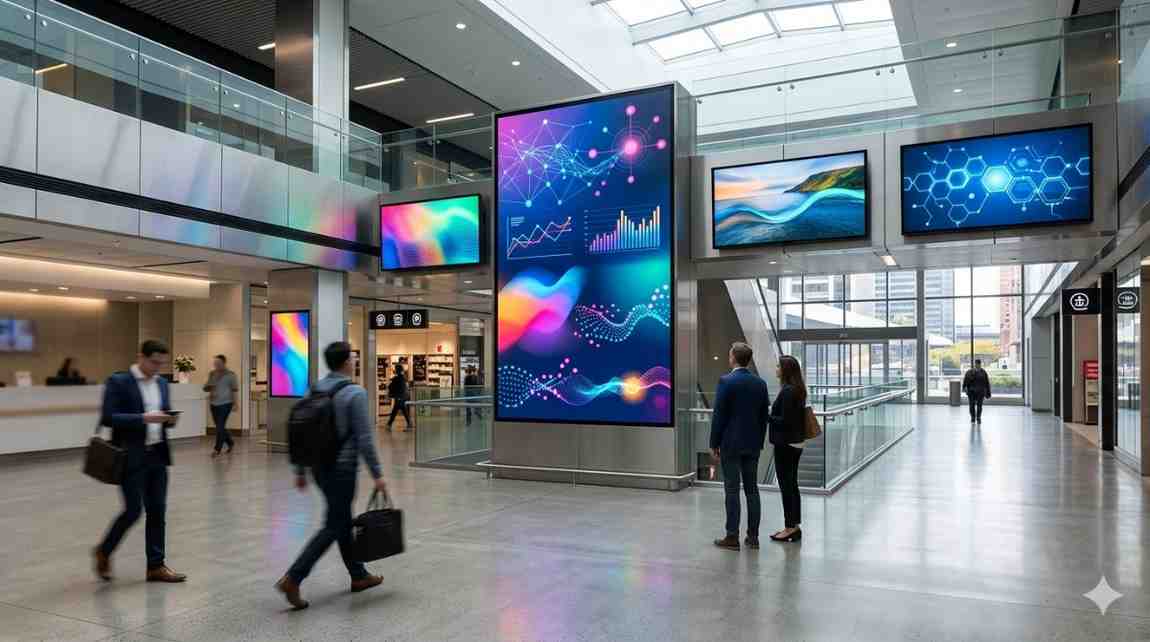
Digital signage has become the dominant format for businesses across Sydney that want maximum flexibility, impact, and long-term value from their signage investment. Digital displays allow content to be changed instantly, scheduled automatically, and managed remotely from any connected device.
For retail businesses, digital signage means promotional content that updates with your trading calendar rather than your print production schedule. For hospitality venues, it means menus that reflect what is actually available right now. For corporate environments, it means internal communications that reach staff where they are rather than in an inbox they may or may not check.
Digital Harbor works with Sydney businesses across retail, hospitality, corporate, healthcare, and education sectors to design and install digital signage solutions that deliver genuine commercial return rather than simply replacing a printed poster with an expensive screen.
LED signage covers a broad category that includes everything from illuminated channel letters on a shopfront, to large-format outdoor LED billboard panels, to the internal LED displays used in retail and corporate environments.
LED technology offers significant advantages in visibility, energy efficiency, and longevity compared to older illuminated signage formats. For Sydney businesses operating in competitive street-level locations, illuminated LED signage that remains visible after dark extends the working hours of your signage investment and significantly increases visibility in the early morning and evening trading periods that are increasingly important for many retail and hospitality categories.
Outdoor Signage
Outdoor signage in Sydney encompasses shopfront signs, building identification signage, outdoor advertising displays, freestanding signage structures, and building facade displays. The technical requirements for outdoor signage in Sydney are driven by the city's climate, which includes intense summer sun, significant rainfall, occasional severe storm events, and in coastal locations, salt air exposure that accelerates corrosion in outdoor hardware.
Outdoor signage that is not specified and built to handle Sydney's actual environmental conditions will degrade, fade, and fail significantly sooner than properly specified alternatives. This is particularly true for illuminated outdoor signage and digital outdoor displays, where component quality and weatherproofing ratings directly determine operational lifespan.
Indoor Signage
Indoor signage covers point-of-sale displays, wayfinding systems, brand and culture displays, menu boards, promotional displays, and the full range of communication surfaces within a business premises.
Indoor signage in Sydney commercial environments operates under different technical requirements from outdoor signage, but the strategic considerations are equally important. Content clarity, brand consistency, viewing distance, and the ability to update and refresh content without reprinting are all relevant factors that determine whether indoor signage actively serves the business or simply occupies wall space.
Window Signage
Window signage sits at the intersection of indoor and outdoor communication, facing outward toward the street from within the building line. For Sydney retailers, hospitality businesses, real estate agencies, and professional services firms with street-level premises, the window is one of the most valuable signage positions available.
High-brightness digital window displays capable of pushing through Sydney's intense summer sunlight have transformed what is possible from a window signage position. Content that previously required a printed poster, a vinyl application, or a handwritten board can now be updated instantly, animated, scheduled by time of day, and managed remotely.
Wayfinding Signage
Wayfinding signage helps people navigate within and around a built environment. It is a critical communication tool for hospitals, university campuses, shopping centres, corporate campuses, transport hubs, and any large facility where visitors need to find their way independently.
Sydney has a significant number of large-scale built environments where wayfinding signage is an operational necessity rather than a nice-to-have. Major hospitals across the city, the university campuses of UNSW, the University of Sydney, UTS, and Macquarie University, and the city's major shopping centre complexes all rely on comprehensive wayfinding signage systems to manage visitor flow and reduce the burden on staff of constantly directing people.
Digital wayfinding displays, including interactive touchscreen directories and dynamically updated floor maps, offer significant advantages over static wayfinding systems in environments that change regularly, particularly where tenancies, departments, or facilities move over time.
Navigating Sydney's Signage Approval Requirements
This is the area where Sydney businesses most frequently encounter unexpected delays and complications. Sydney is governed by multiple local government areas, each with its own development control plans and signage policies, and the requirements vary considerably across the metropolitan area.
Development Applications and Sign Applications
For externally mounted, illuminated, or projecting signage, most Sydney councils require either a development application or a sign application before installation can proceed. The specific requirements depend on the type of signage, its size, its illumination, its location, and the zoning of the property.
In some circumstances, signage may be permitted as exempt development under the State Environmental Planning Policy, which means it can proceed without a formal application provided it meets specific criteria around size, height, illumination, and location. Understanding which pathway applies to your specific signage proposal requires either familiarity with the relevant planning instruments or working with a supplier who can advise on the requirements for your specific situation.
Heritage Conservation Areas
A significant portion of Sydney's commercial precincts fall within heritage conservation areas, including parts of the CBD, Surry Hills, Paddington, Balmain, Newtown, Glebe, and many suburban centres. Signage in heritage conservation areas is subject to additional controls that may restrict the type, size, materials, illumination, and mounting method of business signage.
This does not mean digital or illuminated signage is impossible in heritage areas. It means the design and specification needs to be developed with an awareness of the heritage controls that apply and, in some cases, with direct engagement with the relevant consent authority to confirm what is permissible.
Illumination and Brightness Controls
Some Sydney councils and specific precincts have controls on the brightness and operating hours of illuminated signage. These controls are particularly relevant for digital displays and LED signage that can operate at high brightness levels.
For any digital signage installation in Sydney that will be visible from the street or from neighbouring properties, checking whether brightness or operating hour restrictions apply to your specific location is an important step in the planning process.
I've noticed that businesses which skip the approvals research and proceed straight to installation frequently encounter demands to remove or modify their signage at significant cost. Taking the time to understand what is required in your specific location before installation is always the more efficient and less expensive path.
Working With Council on Signage Approvals
The approvals process for signage in Sydney can be navigated efficiently with the right approach. Clear, professional documentation of the proposed signage, including specifications, dimensions, materials, illumination details, and photomontages showing the signage in context, significantly improves the quality and speed of council assessment.
Working with a signage supplier who has experience preparing and submitting signage applications across Sydney's various council areas removes the burden of navigating an unfamiliar process and reduces the risk of applications being delayed due to incomplete or poorly prepared submissions.
Digital Versus Static Signage: Making the Right Choice for Your Sydney Business
This is a question that comes up in almost every signage conversation with Sydney businesses, and the honest answer is that it depends on your specific situation rather than on a universal rule.
When Digital Signage Makes Clear Sense
Digital signage is the stronger choice when:
- Your content changes frequently, whether daily, weekly, or seasonally
- You want to schedule different messages at different times of day
- You are managing signage across multiple locations and need central control
- You want to run promotional or time-sensitive content without reprinting costs
- The visual impact of dynamic content is commercially important in your location
- You are investing in a long-term communication asset rather than a short-term solution
When Static Signage Remains the Right Choice
Static signage is still the appropriate choice when:
- Your content is permanent or changes only rarely
- The installation environment makes power or network connectivity impractical
- Council or heritage controls restrict digital or illuminated signage at your location
- The nature of your business or your brand aesthetic is better served by a physical, tactile signage format
- The viewing context is not well-suited to screen-based content
Many Sydney businesses end up with a combination of both: permanent static identification signage on the building exterior, complemented by digital displays in the window or interior for dynamic content. That combination delivers the permanence and solidity of a physical sign alongside the flexibility and impact of digital content.
Key Signage Locations Across Sydney and What Works in Each
CBD and Inner City
The Sydney CBD and surrounding inner-city precincts including Surry Hills, Pyrmont, and Ultimo are characterised by high foot traffic, significant visual competition, and a mix of heritage and contemporary built environments. Signage here needs to cut through visual noise without violating heritage controls where they apply.
High-brightness window displays, illuminated shopfront signage, and lobby-level digital displays are all effective in CBD locations where the viewing environment is primarily pedestrian at close range.
North Sydney and Macquarie Park
North Sydney and Macquarie Park are primarily corporate office precincts. Signage in these areas tends to serve building identification, corporate brand, and wayfinding functions more than retail or promotional functions. Professional, high-quality building identification signage and corporate lobby digital displays are the dominant signage investments in these precincts.
Western Sydney
Western Sydney including Parramatta, Penrith, Liverpool, and the broader growth corridor presents a different signage environment. Larger retail footprints, significant drive-by traffic alongside foot traffic, and a rapidly growing residential and commercial population create strong demand for both outdoor large-format digital signage and in-store retail digital displays.
The sun intensity in western Sydney is also considerably higher than in the coastal suburbs, which directly affects the brightness specifications required for any window-facing or outdoor digital signage in these locations.
Eastern Suburbs and Northern Beaches
The coastal retail strips of Bondi, Coogee, Manly, and the Northern Beaches have their own distinct character. Signage that fits the lifestyle and aesthetic of these precincts tends to perform better commercially than signage that feels out of place with the local environment. Salt air exposure is a genuine technical consideration for any outdoor illuminated or digital signage in coastal locations.
Shopping Centres
Sydney has a significant concentration of major shopping centres, including Westfield properties across the metropolitan area and numerous regional and neighbourhood centres. Signage within these centres is subject to the centre management's own signage guidelines, which are typically more prescriptive than council requirements regarding format, size, illumination, and position.
Working within shopping centre signage guidelines while still creating effective, impactful communication requires a supplier with experience in the centre environment and familiarity with the approval processes that centre management applies.
Choosing a Signage Partner in Sydney
The quality and long-term performance of your signage investment is significantly influenced by the partner you choose to design, supply, and install it. Sydney has a broad range of signage suppliers, and the differences in capability, experience, and after-sales support are material.
Here are the factors that deserve genuine weight in your evaluation:
Local knowledge and presence: A signage supplier with genuine Sydney market experience understands the council landscape, the climate conditions, the competitive environment, and the practical realities of installation in Sydney's built environment. That local knowledge has real value throughout a project.
End-to-end capability: Can they handle design, council approvals, supply, installation, and ongoing support? Fragmented responsibility across multiple parties creates accountability gaps that tend to surface at the worst possible moment.
Relevant project experience: Ask to see examples of signage projects completed in environments similar to yours, whether that is retail, corporate, hospitality, healthcare, or education. Experience in your specific context matters.
After-installation support: What happens if your sign develops a fault? What is the response time? Is there a service agreement available? The answers to these questions matter as much as the quality of the initial installation.
Transparency on approvals: A reputable signage partner will be upfront about what approvals your proposed signage requires and will help you navigate that process, not leave you to discover the requirements after installation.
The team at Digital Harbor brings together digital display expertise and local Sydney market knowledge to help businesses across the city make signage investments that deliver genuine, lasting commercial return.
Maintaining Your Sydney Signage
Signage in Sydney's environment requires consistent maintenance to perform well over time. The combination of UV exposure, coastal salt air in many locations, and the general wear of a high-traffic commercial environment means that both physical signage and digital displays benefit from a regular maintenance schedule.
For digital signage: Monthly screen cleaning, quarterly firmware updates and content reviews, and annual professional inspection of electrical connections, mounting hardware, and internal components.
For LED and illuminated signage: Regular inspection of illumination elements, cleaning of sign faces and enclosures, and prompt replacement of any failed LED modules or lamp components to maintain consistent appearance.
For static outdoor signage: Regular cleaning to remove environmental soiling, inspection of mounting fixings and structural elements, and prompt attention to any damage from weather events or physical impact.
For all signage types: Periodic review of whether the content and format of your signage remains current, relevant, and effective for your business as it evolves. Signage that was right for your business three years ago may not accurately represent what you offer today.
Signage in Sydney is a genuinely strategic business investment, not a cosmetic one. The businesses getting the most from it are the ones that approach it with clear objectives, choose the right format for their specific environment and audience, navigate the approvals process properly, and maintain their signage consistently over time.
Whether you are starting from scratch, upgrading an existing installation, or expanding your signage across multiple Sydney locations, the principles are the same: specify correctly, install properly, maintain consistently, and treat your signage as the communication asset it genuinely is.