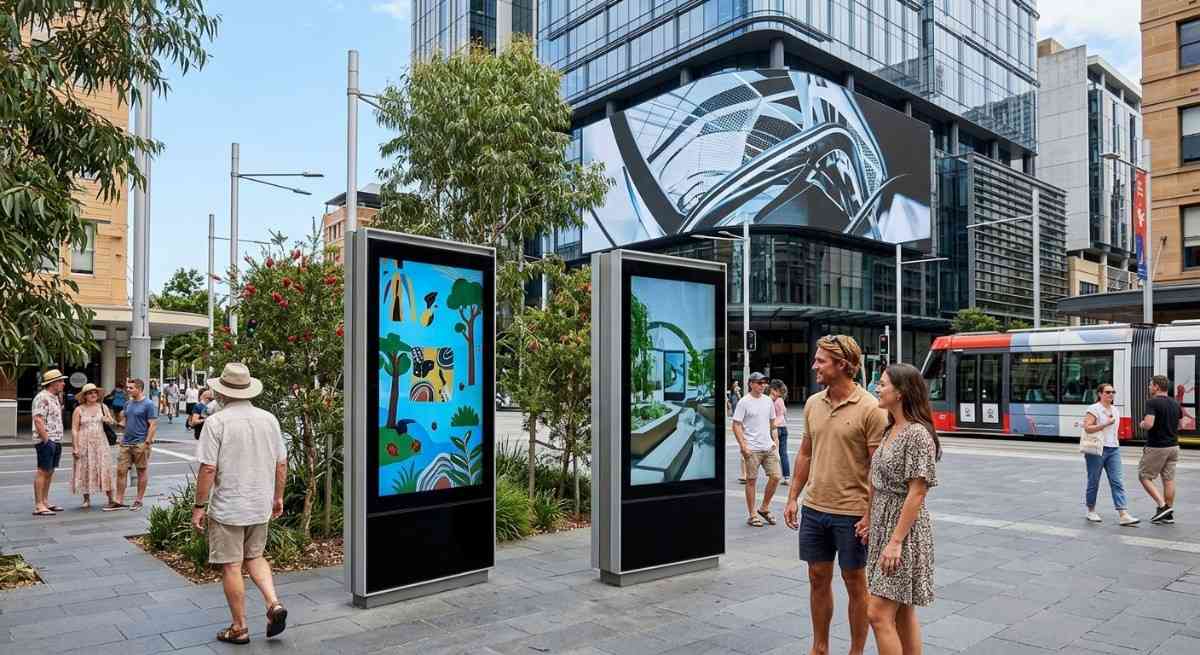
A well-designed digital sign does more than display content. It captures attention, informs audiences, strengthens brand recognition, and creates memorable customer experiences. Whether you operate a retail store, healthcare facility, educational institution, corporate office, or hospitality venue, digital signs provide a flexible and engaging way to communicate.
At Digital Harbor, we've seen businesses across Australia transform how they connect with customers through thoughtfully planned digital display solutions.
Why Digital Signs Australia Businesses Continue to Adopt
Traditional signs still have their place, but they come with limitations.
Printed signage requires manual updates whenever information changes. Digital signs allow businesses to update messages instantly, ensuring information remains current and relevant.
That flexibility is one of the biggest reasons digital signage continues to grow across Australia.
According to research published by Intel, digital signage can increase brand awareness by more than 40 percent while improving audience recall. These findings highlight the effectiveness of dynamic visual communication compared to traditional static displays.
I've noticed that people naturally pay attention to movement. Even subtle animations on a digital display can draw significantly more interest than a printed poster sitting nearby.
Key Benefits of Digital Signs
Businesses invest in digital signs because they offer:
- Real-time content updates
- Improved audience engagement
- Stronger brand consistency
- Better communication efficiency
- Enhanced visitor experiences
- Centralised content management
- Flexible scheduling capabilities
- Reduced dependence on printed materials
These advantages explain why digital signs Australia organisations implement continue to play a growing role in modern communication strategies.
How Digital Signs Improve Customer Experiences
Every customer interaction influences perception.
Whether someone is shopping, attending an appointment, visiting a campus, or entering a corporate office, digital signs help deliver information clearly and efficiently.
Better Navigation
Large facilities can sometimes feel confusing.
Digital wayfinding displays help visitors locate destinations quickly within:
- Shopping centres
- Hospitals
- Universities
- Airports
- Corporate buildings
Clear navigation reduces frustration and improves overall visitor satisfaction.
Faster Information Sharing
Business information changes constantly.
Digital signs allow organisations to instantly update:
- Promotions
- Announcements
- Event schedules
- Safety information
- Operational notices
Unlike printed signs, updates can be distributed across multiple displays within minutes.
Stronger Brand Presentation
Modern digital displays create a professional and contemporary appearance.
Consistent visual branding across screens helps reinforce recognition and build trust over time.
Types of Digital Signs Used Across Australia
Different environments require different display solutions.
Understanding the available options helps businesses make informed decisions.
Indoor Digital Signs
Indoor displays are commonly found in:
- Retail stores
- Reception areas
- Educational facilities
- Healthcare centres
- Restaurants
- Corporate offices
These displays often focus on customer communication, promotions, and informational content.
Outdoor Digital Signs
Outdoor displays are specifically engineered to perform in varying weather conditions.
Common applications include:
- Building exteriors
- Roadside displays
- Public information boards
- Sporting venues
- Transport hubs
Outdoor solutions require durability and enhanced brightness for optimal visibility.
Interactive Digital Signs
Interactive displays encourage users to engage directly with content.
Popular uses include:
- Product catalogues
- Visitor directories
- Self-service kiosks
- Interactive maps
In my experience, interactive displays often generate stronger engagement because users actively participate in the experience rather than simply viewing information.
Industries Benefiting From Digital Signs Australia Solutions
Digital signs support communication across many sectors.
Retail
Retailers use digital signs to:
- Showcase products
- Highlight promotions
- Feature new arrivals
- Influence purchasing decisions
I've noticed that stores using dynamic visual content often create more engaging shopping environments that encourage customers to stay longer.
Healthcare
Healthcare organisations rely on digital signs for:
- Appointment information
- Patient communication
- Health awareness campaigns
- Wayfinding support
These systems improve communication while helping visitors navigate facilities more easily.
Education
Schools, colleges, and universities use digital signs to communicate:
- Campus news
- Event schedules
- Emergency alerts
- Academic announcements
Because educational environments are constantly changing, digital signage provides exceptional flexibility.
Hospitality
Hotels, restaurants, and entertainment venues use digital signs for:
- Menu boards
- Guest information
- Event promotion
- Venue navigation
Digital content helps create more engaging visitor experiences.
Corporate Environments
Businesses use digital displays to:
- Share company updates
- Display performance metrics
- Welcome visitors
- Support employee communication
These applications contribute to stronger internal engagement and improved communication.
Choosing The Right Digital Sign Solution
Successful digital signage projects begin with careful planning.
Several factors should influence your decision-making process.
Understand Your Audience
Who will be viewing your displays?
Customers, employees, students, visitors, and patients all have different needs.
Understanding your audience helps shape more effective messaging strategies.
Assess The Installation Environment
Environmental conditions matter.
Factors such as lighting, viewing distance, and exposure influence display performance.
Indoor and outdoor installations often require different hardware specifications.
Develop A Content Strategy
Technology alone does not guarantee success.
The most effective digital signs support clear communication objectives.
A strong content plan may include:
- Promotional campaigns
- Educational information
- Event announcements
- Brand storytelling
- Visitor guidance
The best digital signs combine useful information with compelling visuals.
Plan For Growth
Business requirements evolve over time.
Selecting scalable solutions makes future expansion easier and more efficient.
Why Content Quality Matters
Many businesses focus heavily on display hardware while overlooking content quality.
Yet content is what audiences actually experience.
Keep Messages Clear
Most viewers only spend a few seconds looking at a display.
Simple, concise messages generally perform best.
Use Professional Visuals
High-quality images and videos help attract attention while strengthening credibility.
When I tried different content approaches during signage projects, professional visuals consistently produced stronger engagement results.
Refresh Content Frequently
Outdated content quickly loses effectiveness.
Regular updates help maintain audience interest and relevance.
Maintain Consistent Branding
Your colours, imagery, fonts, and messaging should align with your overall brand identity.
Consistency strengthens recognition and builds trust.
Emerging Trends In Digital Signs
Technology continues evolving rapidly.
Several innovations are shaping the future of digital communication.
Artificial Intelligence
AI-powered platforms can personalise content based on audience behaviour and environmental conditions.
Cloud-Based Management
Cloud solutions allow businesses to manage multiple displays from a single platform.
This capability is particularly valuable for organisations operating across multiple locations.
Performance Analytics
Modern systems provide valuable data on audience engagement and content effectiveness.
These insights help organisations refine communication strategies.
Interactive Experiences
Touchscreens, QR codes, and mobile integrations are creating richer customer interactions.
As these technologies continue advancing, digital signs Australia businesses deploy will become increasingly intelligent, personalised, and effective.
Why Businesses Trust Digital Harbor
Successful digital signage is not simply about installing screens.
It is about creating meaningful communication experiences.
Digital Harbor helps organisations develop digital sign solutions that improve customer engagement, strengthen communication, and enhance brand visibility. Whether supporting retail environments, healthcare facilities, educational institutions, hospitality venues, or corporate offices, the focus remains on delivering practical solutions that create real value.
In my experience, the most successful digital signage projects begin with understanding people. Once you know what information audiences need and how they prefer to receive it, technology becomes a powerful tool for delivering that message effectively.