Electronic signs, digital signs and LED signs are often used as if they mean the same thing. This guide from Digital Harbor explains how each one works, where it suits best, what it costs in Australia and how to choose the right option for your business.
Ask three suppliers for a quote and you may hear three different names for the same thing: electronic signs, digital signs and LED signs. One person means a scrolling message board. Another means a screen that plays video. A third means a bright panel on a shopfront. The terms overlap so much that buyers often end up comparing quotes for products that are not alike.
At Digital Harbor, we hear this mix-up on almost every first call. This guide explains what each term usually means in Australia, how the technologies differ, where each one works best and how to choose the right one for your space. It is written for business owners who want a clear answer before they spend money.
Why Electronic Signs, Digital Signs and LED Signs Get Mixed Up
None of these names is a technical standard. Each one describes a sign that shows lit, changeable content instead of printed or painted graphics. Suppliers use whichever term customers search for, and customers use whichever term they have heard, so the words drift together.
Two questions cut through the noise. First, how is the image made: by an LCD panel or by LED pixels? Second, how is the content controlled: by hand on a small controller, or remotely through cloud software? Once you know the answers, the name matters far less than the specification.
What Are Electronic Signs?
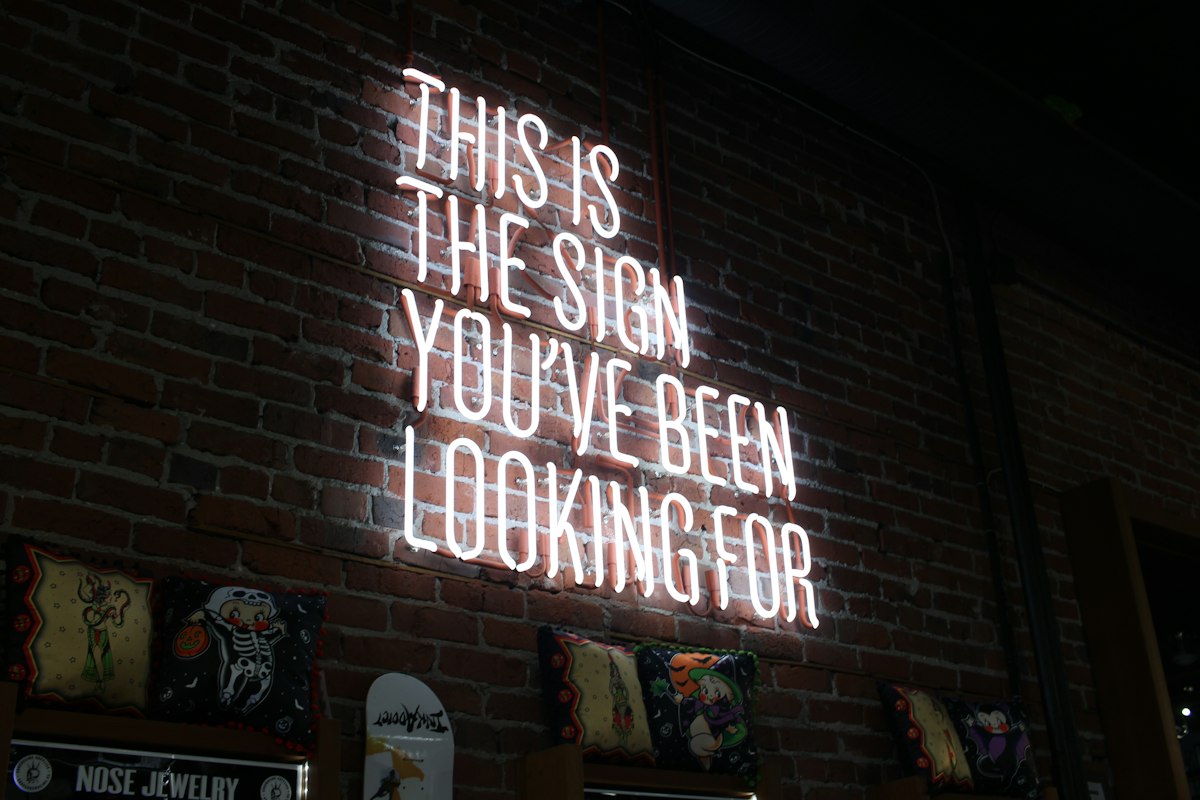
Electronic sign is the broadest term. It covers any sign that uses electronics to show a message, from a scrolling LED message board to a price display at a service station or a glowing open sign in a window.
Most electronic signs show text, numbers and simple graphics. They usually run one message or a short loop, and you change it with a small keypad, a USB stick or a phone app. That makes them affordable and easy to run.
They suit businesses with short, factual messages such as opening hours, daily specials, prices, queue numbers or directions. Their limit is richness. If you want full-colour video, photography or a screen that changes by time of day, an electronic sign on its own usually falls short. Many WA businesses search for these under this name, and our electronic signs in Perth page shows how we approach them.
What Are Digital Signs?
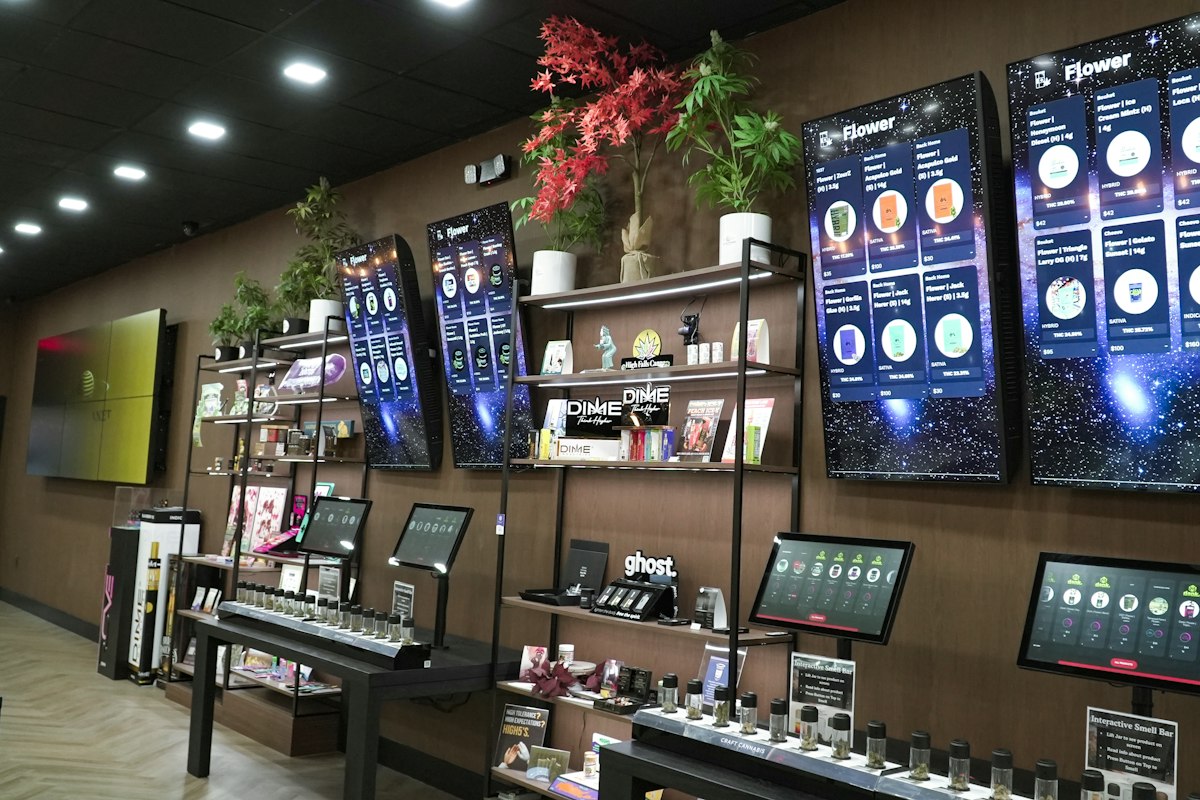
Digital signs, also called digital signage, are screens that play video, images, menus and live information. Most use commercial-grade LCD or LED panels, and they are managed through content management software (CMS), so you can update many screens from one login.
That software is the real difference. With a CMS you can schedule breakfast and lunch menus, rotate promotions by day, show social feeds or tie screens to stock and pricing data. A cafe can change a price on three menu boards in one minute, and a retailer can push a sale to every store before the doors open.
Common examples include digital menu boards, window displays, reception screens, wayfinding kiosks and video walls. To see what this looks like in practice, browse our digital menu display, digital window display and interactive display pages, or read about digital signs in Sydney.
What Are LED Signs?
An LED sign is built from LED modules, and each tiny light acts as a pixel. An LCD screen needs a backlight and a separate liquid crystal layer. An LED display makes its own light directly. That is why LED signs can be so bright and why they can be built in almost any size or shape.
The key spec is pixel pitch, the distance in millimetres between pixels. A smaller pitch gives a sharper picture that looks good from close up. A larger pitch costs less and suits viewers who stand further back. As a rough rule of thumb, the minimum comfortable viewing distance in metres is similar to the pixel pitch in millimetres, so a 2.5 mm display looks good from around 2.5 metres.
One more source of confusion is worth clearing up. A so-called LED television is actually an LCD screen lit by LED backlights. An LED sign is a different product altogether, made of LED modules with no LCD layer. When a quote says LED, ask which one it means.
Our custom size LED display, 1920 x 640 mm LED display and 960 x 640 mm LED display pages show the range, from standard cabinets to custom builds. If you are weighing LED against LCD for a larger installation, read our guide to LED vs LCD video walls.
How Electronic, Digital and LED Signs Compare
- Electronic signs are the simplest and cheapest to run. They are best for short text messages and prices, and they usually offer limited colour and no video.
- Digital signs give you the most control. LCD or LED screens, a CMS, scheduling and remote updates make them the best fit for menus, promotions and information screens in indoor spaces.
- LED signs give you the most brightness and the most flexibility in size. They shine outdoors, in large venues and anywhere a screen has to be seen from a distance or fit an unusual space.
- The categories overlap. A full-colour LED video display managed through a CMS is both a digital sign and an LED sign, and a simple scrolling board is an electronic sign that happens to use LEDs.
Brightness, Viewing Distance and Where the Sign Will Live
Location should drive the decision more than the name. Indoor screens typically run at around 300 to 500 nits of brightness. Outdoor and window-facing screens need far more, often 2,500 to 5,000 nits, so the picture stays readable in direct Australian sunlight.
Viewing distance matters just as much. A 55-inch LCD in a cafe is read from two or three metres. A sign above a shop entrance is read from the footpath across the road. Match the technology to the distance: LCD for close reading, LED for distance and scale.
Outdoor signs also need a weatherproof rating, with IP65 or higher common for outdoor cabinets, plus heat management for summer and protection from dust and rain. For outdoor options, see our outdoor LED screens page and our portable display.
What Each Type Typically Costs in Australia
Prices vary with size, brightness, software and installation, so treat these as typical ranges rather than quotes. Our smart buyer's guide to digital signage pricing in Australia breaks the cost layers down in detail.
- Entry-level indoor commercial screens (32 to 55 inch) commonly cost AU$600 to $2,000 per unit.
- Mid-range commercial displays sit around $2,000 to $6,000.
- Outdoor weatherproof, high-brightness screens often run from $4,000 to $15,000 or more.
- Custom LED displays range from about $8,000 to $80,000 or more, depending on size and pixel pitch.
Simple electronic message boards generally cost less than any of these, but they also do less. Add installation, software and support when you compare quotes, because two suppliers may price those layers very differently.
Content and Control: The Difference Owners Notice Most
The day-to-day difference between these signs is how you change what they show. A basic electronic sign is changed on the spot, one sign at a time. A digital sign linked to a CMS is changed from any device, on a schedule, across every location.
If you run one shop and change the message twice a year, the simple option may be enough. If you run several sites, run promotions often or want menu prices to match your point-of-sale system, remote control pays for itself quickly in staff time.
Which Type Suits Your Business?
Here is how we usually point people in the right direction.
- Cafes and restaurants usually want digital signs on indoor walls, running menu content that changes by time of day. Our guide to digital menu board costs in Australia is a good next read.
- Retail shops with street frontage often combine a high-brightness window display with an indoor digital screen, and sometimes an LED panel above the door.
- Service stations, car yards and venues with price or status messages often get the best value from electronic LED boards.
- Offices and clinics usually need digital signs for reception, wayfinding and internal messages.
- Shopping centres, stadiums and event venues often choose LED video walls for scale and brightness. See our video wall display page.
Five Questions to Ask Before You Buy
- Is the product an LCD screen or an LED display? Ask for the panel type in writing.
- What is the brightness in nits, and is it rated for the place I plan to install it?
- What is the pixel pitch, and how far away will people stand when they read it?
- Is the CMS included, and are there monthly fees per screen?
- What does the warranty cover, and who supports it after installation?
Common Mistakes to Avoid
- Comparing quotes without checking that each one covers the same screen type, brightness and software.
- Buying a consumer television for a job that needs a commercial display, which can fail sooner and may void the warranty in commercial use.
- Choosing an LED sign with a pixel pitch too coarse for the viewing distance.
- Forgetting the weatherproofing and council requirements for outdoor signs.
- Spending on hardware and having no plan for the content that will run on it.
For custom builds, our article on custom digital signage displays for businesses in Australia covers the process in more detail.
How Digital Harbor Can Help
Whatever you call it, the right sign is the one that matches your space, your viewers and the way you want to update it. Digital Harbor is a Sydney-based team that supplies and installs digital and LED signage for businesses across Australia, from a single menu board to large LED displays.
Browse our recent work to see finished installs, explore our solutions page, or contact us for a free consultation. Tell us where the sign will go and what you want it to say, and we will recommend a specification and give you a clear, itemised quote.