A busy Sydney street gives your shopfront only about three seconds to catch someone's attention. This guide from Digital Harbor shows you how to pass the three-second test, fix the basics, use digital window displays and menu boards, write screen content people can read at a glance, and avoid common shopfront mistakes.
Picture a Saturday morning on a busy Sydney street. Hundreds of people walk past your shop, and most are looking at their phones or chatting with a friend. You have about three seconds to make one of them look up, slow down and step inside. That is all the time a shopfront really gets.
At Digital Harbor, we work with Sydney businesses that want those three seconds to count. This guide shares simple, practical ways to make your shopfront stand out, from fixing the basics to using digital screens well. You do not need a huge budget or a design degree. You need a clear message, good lighting and a window that gives people a reason to stop.
Why Most Shopfronts Get Ignored
Most people do not ignore your shop on purpose. Their brain filters out anything that looks familiar, cluttered or confusing. A faded poster, a crowded window and a door that looks closed all send the same signal: nothing new here.
Sydney adds its own challenges. Footpaths are busy, competition is close, and bright sun can wash out anything that was not designed for daylight. In the evening the problem flips, and a dim shopfront disappears into the dark.
Passersby usually ask three quick questions without realising it. What is this place? Is it for me? Why should I go in now? If your shopfront cannot answer all three at a glance, people keep walking. The rest of this guide is about answering them clearly.
Start With the Three-Second Test
Before you spend a cent, run a simple test. Stand across the street, or about ten metres from your entrance, and look at your shop for three seconds. Then close your eyes and write down what you remember.
If you remember your name, what you sell and one offer, your shopfront is working. If you remember a blur of colours or nothing at all, you have found your starting point.
Ask a friend or staff member to try it too. Fresh eyes spot problems you have stopped noticing. Repeat the test at lunchtime, late afternoon and after dark, because a shopfront can look very different as the light changes.
Fix the Basics Before You Add Technology
Technology works best on a solid foundation. A beautiful screen behind a dirty window will not do much for you. Start here:
- Clean the glass inside and out, because smudges dull everything behind them.
- Clear the window of old posters, stickers and faded signs.
- Check your lighting. Warm, even light at the entrance feels welcoming, and light that reaches the footpath helps after sunset.
- Make the entrance obvious, with a clear door, a tidy mat and visible opening hours.
- Keep your shop name large and easy to read from a distance.
These changes cost very little and pay off straight away. They also make any signage you add later look much sharper.
Turn Your Window Into a Moving Billboard
Movement is one of the strongest ways to catch the human eye. A static sign gets a glance. A moving image pulls attention, even from people who were not looking your way.
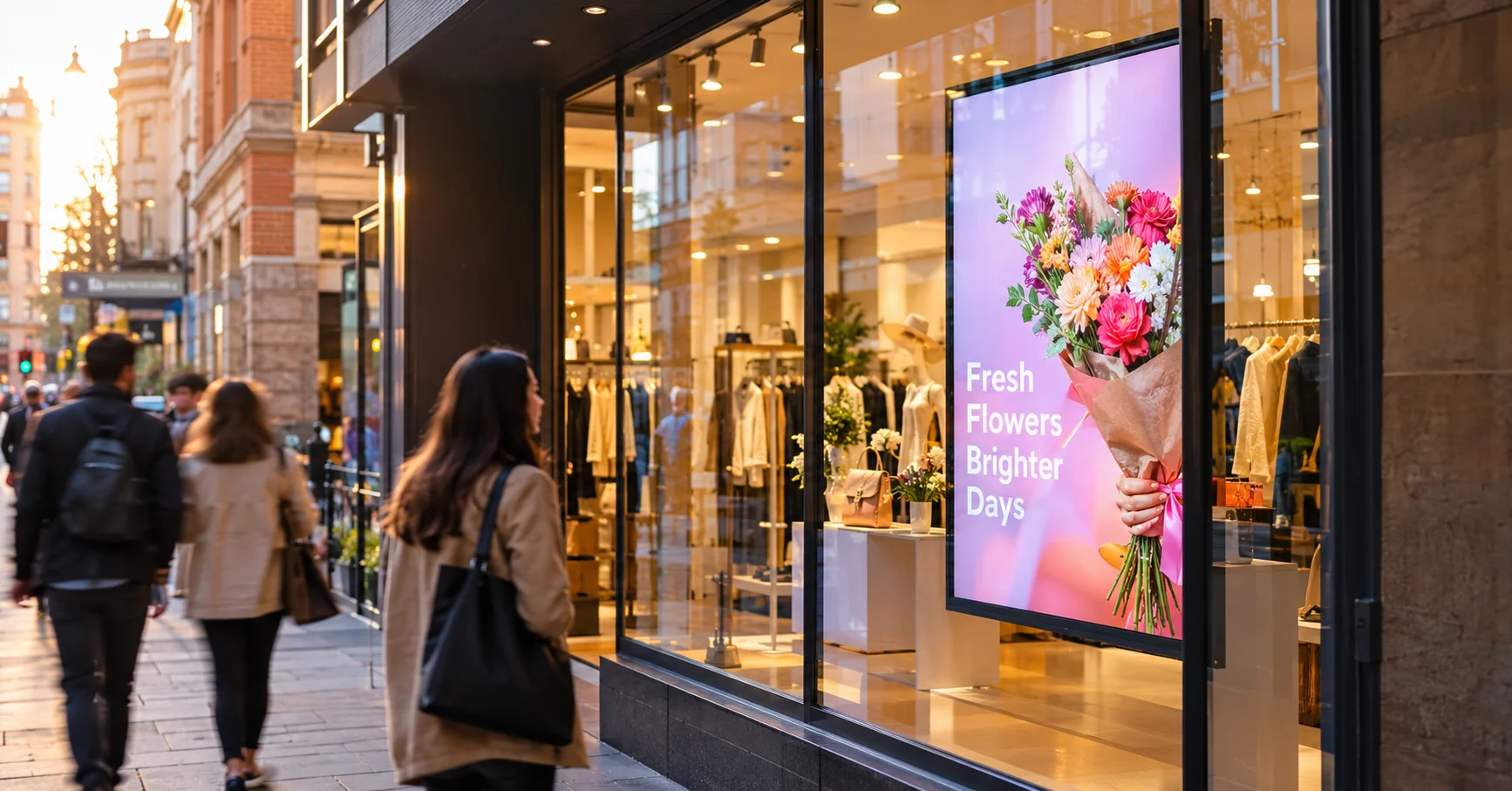
That is why more Sydney retailers are switching to a digital window display. These screens sit behind your glass and show videos, offers and announcements in bright, clear colour. The better ones are built to stay visible in strong daylight, which matters on a sunny Sydney afternoon. Our Digital Window Display is designed for exactly this, turning your storefront glass into a space that sells for you all day.
The other big advantage is flexibility. With a cloud-based system, you can change what is on the screen from your phone, wherever you are. Running a weekend sale? Update the screen in a few seconds instead of printing new posters. Quiet Tuesday afternoon? Push a lunchtime special and see who walks in.
If you want to see how other businesses have set this up, browse our recent work for ideas.
Choose the Right Screen for Your Business
Not every shop needs the same display. The best choice depends on what you sell, how people approach your entrance and how much space you have.
Cafés, restaurants and takeaways
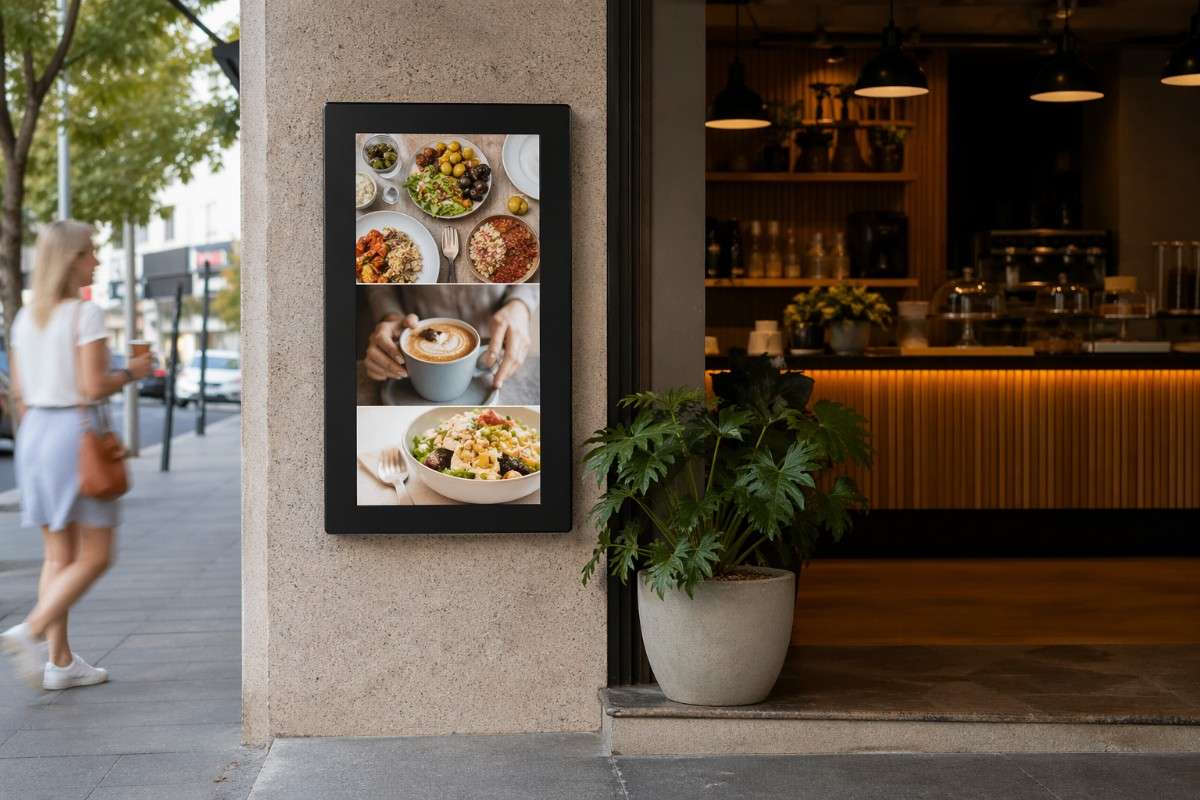
Food sells with the eyes. A digital menu display shows appetising photos, today's specials and prices you can change in seconds when an ingredient runs out or a new item launches. If you run a drive-thru or have a busy outdoor queue, our portable outdoor display helps keep the menu clear and the line moving.
Retail stores and showrooms
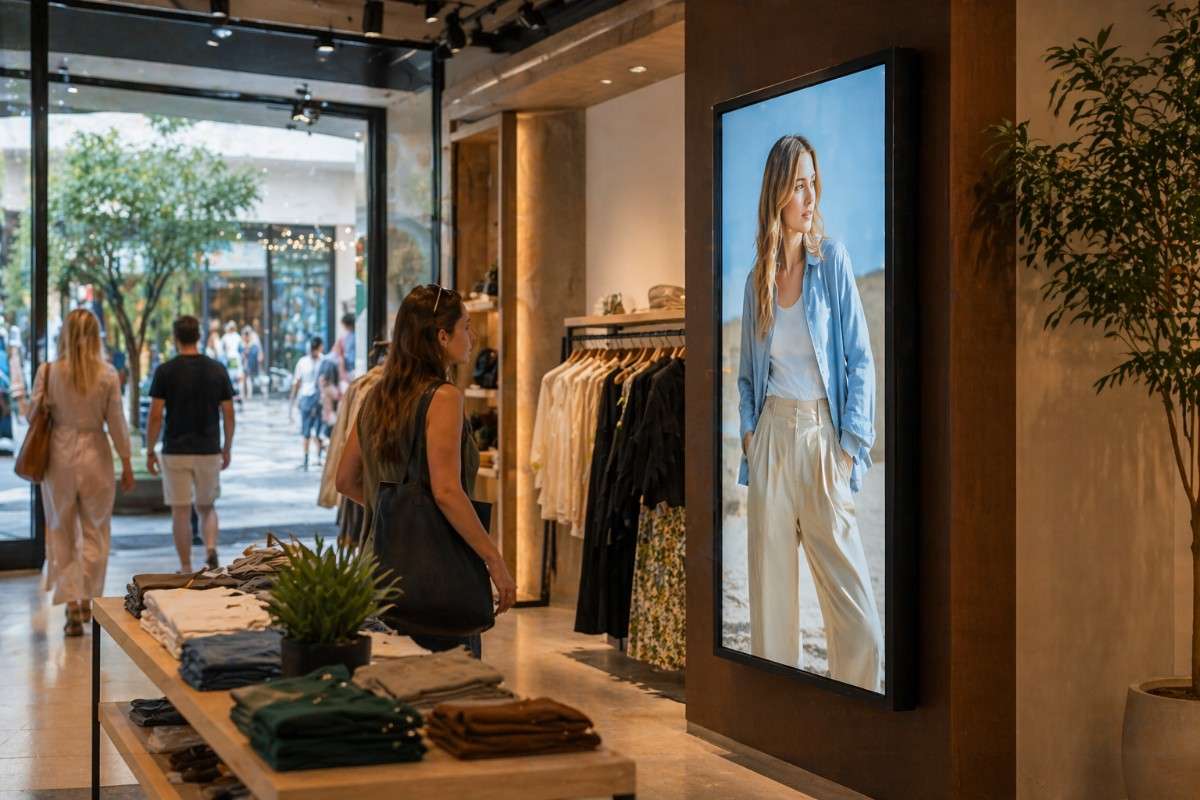
Window displays and LED panels work well here. The 1920 x 640 mm LED display is a wide, high-impact option for shopfronts that want to turn passersby into customers. The 960 x 640 mm LED display suits tighter spaces. If your frontage has an unusual shape, a custom size LED display can be made to fit.
Larger spaces and customer-facing venues
A video wall display creates a bold focal point that people notice from far away. Inside the shop, an interactive display lets customers browse products and learn more at their own pace, which keeps them in your store longer.
Not sure which one fits? Our solutions page explains each option, and our team can help you choose.
Write Screen Content People Can Read in Seconds
Even the best screen fails if the content is hard to read. People walk past at normal speed, so your message has to land fast. A few simple rules help:
- Use one idea per screen: one offer, one product or one message.
- Keep text short, ideally under ten words.
- Choose large, clean fonts with strong contrast against the background.
- Show real photos or short video clips of your products.
- Add a clear next step, such as "Come in for a free coffee with any breakfast".
Think of your screen like a good street sign. It does not explain everything. It gives one reason to come in, and your staff and products do the rest.
Timing helps too. Show breakfast offers in the morning, lunch deals around midday and evening specials as the day cools down. People respond when the message matches the moment they are in. For more ideas, read our guide on 12 creative ways to use digital signage screens in your store.
Keep Your Shopfront Fresh Without Extra Work
The biggest reason shopfronts go stale is simple: updating them takes too much effort. Printing, cutting, taping and replacing posters eats time that a busy owner does not have.
Digital screens remove that problem. You can plan your content in advance, schedule it for certain days and update it from anywhere. A small café can change its daily special before opening. A retailer can switch to a clearance message the moment stock needs moving. A fresh shopfront also tells regular customers that something is always happening, which gives them a reason to look again.
If you are weighing up the investment, our smart buyer's guide to digital signage pricing in Australia breaks down what affects cost, so you can plan with confidence.
Do Not Forget the Evening Crowd
Sydney comes alive after work. Dinner crowds, late shoppers and people walking home pass your shop once the sun has gone down, and a dark shopfront loses them.
A lit digital screen works like a welcome light, drawing the eye from further away than a static sign can. Pair it with warm entrance lighting and a clear sign showing you are open. Restaurants can show the dinner menu and a hero dish. Retailers can show new arrivals and late trading hours. Ask your provider about brightness settings too, so the screen stays comfortable to look at at night.
Common Shopfront Mistakes to Avoid
We see the same few mistakes again and again:
- Too much text. If people cannot read it in three seconds, it will not work.
- Low-quality images. Blurry or stretched photos make a good business look careless.
- Old content. An expired offer on the screen costs you trust.
- Wrong brightness. A screen that is too dim in daylight or too harsh at night puts people off.
- No call to action. People need to know what to do next.
- Skipping the rules. Check signage requirements with your local council before installing outdoor or large displays, as they vary by area.
Avoiding these keeps your shopfront looking professional and your message clear.
A Simple Five-Step Plan You Can Start This Week
- Do the three-second test at different times of day.
- Clean the glass and clear out old posters.
- Pick one clear message for your window.
- Choose a display that fits your business and your space.
- Plan a week of content, then review what gets people through the door.
Small steps add up. Even the first two will make a visible difference by the weekend.
How Digital Harbor Can Help
Digital Harbor is a Sydney digital signage company that helps businesses choose, install and manage displays that suit their space and goals. Our approach is simple. We learn about your business, plan the right solution, install it properly and support you as you grow. Whether you need a window screen, a menu board, an LED panel or a custom display, we guide you from the first idea to the finished shopfront.
If you want to know what installation involves, read our guide to installing digital signage systems in Sydney venues. To see how screens support sales, you may also like how retail stores use digital signage to increase sales.